
Kathleen Barnes

Your guide to a long, healthy life while living gently on the planet

Archive for August, 2009

09_06_12_thumb1

by Kathleen Barnes

If you’ve had a heart attack, seriously consider eating chocolate at least twice a week to dramatically cut their risk of dying of heart disease.

Researchers found that heart attack survivors who ate chocolate at least three times a week reduced their risk of dying from heart disease threefold compared to those who never eat chocolate.

This new study published in the Journal of Internal Medicine is the first to conclude that consuming chocolate can prevent death if you’ve already had a heart attack.

Swedish researchers who conducted the research theorize the antioxidants in chocolate, particularly catechins and phenols, are responsive for the protective effect.

I know, it sounds too good to be true, but we’ve known for some time that various components of chocolate are heart protective.

Earlier research has established a strong relationship between cocoa-based foods and lower blood pressure and improvement in blood flow. Other studies show chocolate helps improve mood and reduce the symptoms of PMS.

Almost all studies show that your chocolate should be dark chocolate. Milk chocolate and even dark chocolate eaten with a cold glass of milk don’t have the same effect.

The Swedish study doesn’t mention specific amounts of chocolate, but for caloric reasons, it’s probably a good idea to limit your intake to an ounce of two at a time.

What’s not to love about this study?

Reference:

Janszky I, Mukamal KJ et al. Chocolate consumption and mortality following a first acute myocardial infarction: the Stockholm Heart Epidemiology Program, Jouranl fo Interal Medicine 2009 Sept;226(3):248-57

Share

by Kathleen Barnes

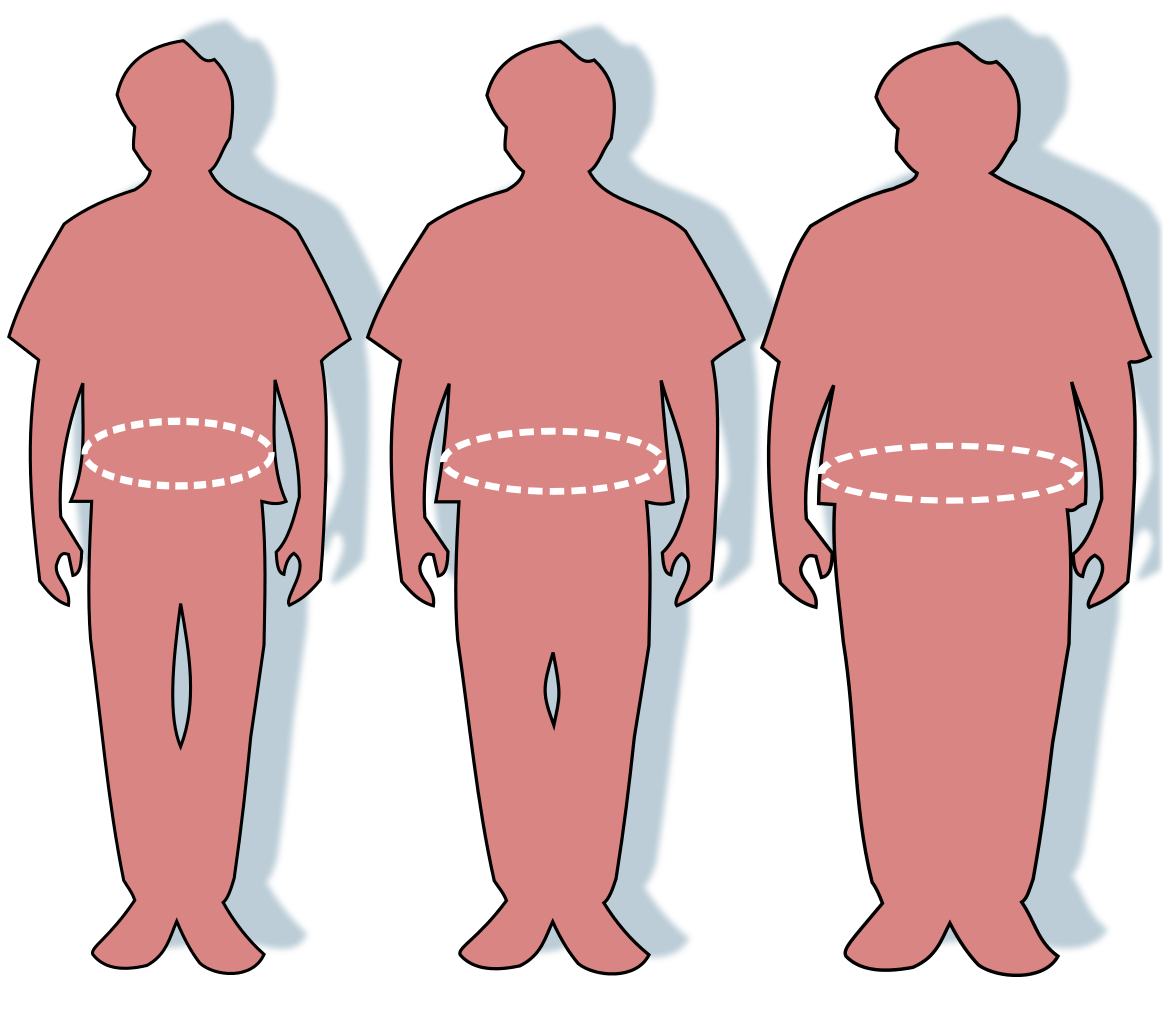
We Americans are getting even more supersized than ever. More than one third of all adults and 16 percent of all children are obese, according to just-released government statistics.

This puts 26.1 percent of the overall population at accelerated risk of cardiovascular disease, Type 2 diabetes and certain types of cancer because of their excess weight.

Obesity numbers inching upwards

Those numbers keep inching upwards, up .5% from 25.6% in 2007 to 26.1% in 2008.

Even more shocking, the CDC says more than two-thirds of American are overweight (defined as a body mass index of 25 or more).

African-Americans bear the greatest burden of the obesity epidemic, with 80 percent of African-American women either overweight or obese and a 51 percent obesity rate, followed by Mexican-American women with an overweight/obesity rate of 73%.

Obesity is defined by the Centers for Disease Control and Prevention (CDC) as a body mass index of 30 or higher.
[Find a Body Mass Index (BMI) calculator based on height and weight.

Causes of obesity, according to conventional docs

Conventional medical doctors attribute this alarming increase to our transformation into a nation of fast-food chomping couch potatoes.

There is certainly some truth to that as recent statistics show that two-thirds of us eat less than two servings of fruit a day and 73% of us don’t get the minimum three servings of vegetables, the foundations of a healthy diet. Sadly, those statistics actually include French fries as a vegetable!

And 37 percent of us admit that we do not engage in any physical activity or exercise at all.

We know there is no “magic bullet,” or magic pill that will cause you to shed pounds overnight.

Underlying cause: systemic imbalances

However, a variety of biological imbalances can cause overeating and slow metabolism, according to Dr. Hyla Cass, who wrote 8 Weeks to Vibrant Health: A Take Charge Plan for Women (Take Charge Books 2008) with me.

“Conventional doctors are thinking in a linear manner; that is calories ingested minus calories burned = leftover calories that turn into fat,” says Dr. Cass. “There`s far more to weight gain than that, since we all burn calories differently based on our individual body`s metabolic efficiency.”

Dr. Cass urges her patients to look at their food intake and their exercise out put and ask themselves, “If you`re eating too much , why? If you’re not exercising enough, why not?”

The answer clearly lies in a systemic imbalance, she says.

Among the causes of overweight, says Dr. Cass, are hormonal fluctuations, thyroid malfunction chronic adrenal overload, unbalanced blood sugar food allergies, neurotransmitter imbalances that lead to uncontrolled food cravings and even bad genetics.

Finally, Dr. Cass says, explore the possibility you have one of these systemic imbalances and find a health care practitioner who will help.

“You are not to blame if you are overweight. But you`re responsible for taking the steps to solve the problem.”

Sources:

http://www.cdc.gov/obesity/data/trends.html

http://www.cdc.gov/NCCdphp/publications/AAG/obesity.htm

http://www.cdc.gov/obesity/defining.html

http://www.cdc.gov/mmWR/preview/mmwrhtml/mm5610a2.htm

http://famellist.info/?p=29404

Share

Aug. 3, 2009

More and more studies are verifying the benefits of vitamin D for everyone at all stages of life and underscoring the premise that the majority of us are “D” deficient.

Recent contributions at both ends of life include a London School of Medicine study that adds to the evidence that higher vitamin D blood levels from supplements slow the aging process and the progress of age-related diseases.

There are several new studies on vitamin D and children. One of the most interesting shows that vitamin D deficiency appears to contribute to insulin resistance in obese African-American teenage girls. What’s more, increasing vitamin D levels can improve glucose tolerance, say researchers at the University of Alabama in Birmingham.

And according to a new Boston University study, vitamin D deficiency itself may be a contributor to the obesity epidemic among teenagers.

Mounting evidence for Vitamin D

There seems to be absolutely no question that most of us need more vitamin D and that getting sufficient amounts of the sunshine vitamin will provide protection against a host of deadly disease, perhaps even prolong your life.

I’ll be going into this information in greater detail in coming weeks as I prepare to publish a new book on the sunshine vitamin that is being kept in the dark. I promise you’ll learn everything about how vitamin D contributes to everything from healthy bones to a strong immune system to blood sugar balance and long life.

Get more sunshine

The message I want to convey today, here in the middle of summer, is how important sun exposure is to you vitamin D status.

The human body cannot manufacture vitamin D. It must get D from outside sources, and the sun is the best source. Best of all, it’s free!

You can get vitamin D from some foods and many foods, including dairy products, now have vitamin D added.

But why not get it from the sun when it’s so easy?

Ditch the sunscreen—for short exposures

The skin cancer scare has become a double-edged sward. While most light-skinned people need protection from long exposure to the sun, brief unprotected exposures will give you the vitamin D your body so desperately needs.

You don’t need a lot: Just go out for a 15-minute walk three times a week sans sunscreen. Be sure at least your face and arms are exposed and better yet, your legs, too.

Even if you’re very light-skinned, you won’t get burned in those brief exposures, but you will drink in that life-giving vitamin D.

Your body can store vitamin D or a certain period of time, so now in August you can store up your vitamin D against the winter when you’re not very enthusiastic about walking around coat-less and the sun’s rays are much weaker anyway.

Even if you’re really bulked up on your D levels, you’ll be running low by January or February. Low vitamin D levels have been shown to negatively affect mood, and that’s why many of us get the mid-winter blues. That’s nothing a week at the beach won’t cure, but if that’s not in your budget or work schedule, try some supplements.

Vitamin D supplements

All vitamin D supplements are not created equal. The natural form is vitamin D3 (cholecaliciferol), the type your body makes with sun exposure.

The American Journal of Clinical Nutrition says that vitamin D3 is the most powerful and most effective form of he vitamin, but, sadly, admits that most doctors prescribe formulations of vitamin D2 (ergocaliciferol), which has fewer beneficial effects and a shorter shelf life.

You’ll need to have your blood levels of vitamin D tested to determine if and how much of a supplement you should take. If you do, insist on a D3 formulation.

Better yet, get out there in the sun whenever you can.

–Kathleen Barnes

Share