
Kathleen Barnes

Your guide to a long, healthy life while living gently on the planet

Archive for May, 2009

May 27, 2009

by Kathleen Barnes

Organic food is good for you and good for the planet. Most of the readers of this site would agree on that point.

In the U.S., organic foods are subject to federal regulations that govern how the foods can be grown, raised and processed.

Definition of organic foods

In general, organic foods and livestock must be grown without the use of non-organic pesticides, insecticides and herbicides. Livestock must be raised without the routine use of so-called prophylactic antibiotics (an oxymoron if there ever was one!) and fed a generally healthy diet.

Processed organic foods (another oxymoron, in my opinion) must be free of artificial additives and preservatives and they must not result from genetically modified ingredients or be subjected to food irradiation or chemical ripening.

What a wonderful toxic soup!

Here are other differences between conventional farming and organic farming:

Conventional farmers:
Apply chemical fertilizers to promote plant growth.
Spray insecticides to reduce pests and disease.
Use chemical herbicides to manage weeds.
Give animals antibiotics, growth hormones and medications to prevent disease and spur growth.

Organic farmers
Apply natural fertilizers, such as manure or compost, to feed soil and plants.
Use beneficial insects and birds, mating disruption or traps to reduce pests and disease.
Rotate crops, till, hand weed or mulch to manage weeds.
Give animals organic feed and allow them access to the outdoors. Use preventive measures — such as rotational grazing, a balanced diet and clean housing — to help minimize disease.
Source: Mayo Clinic

Organic food is now big business

Until the 1990s, organic food growers were largely Mom and Pop farms and their produce was sold in local farmers markets. Not only were these farms sustainably operated, the food traveled a short distance from farm to market to table and was therefore environmentally sound and more nutritious.

Now organic food and beverages count as the fastest growing segment of the U.S. food industry with upwards of $15 billion in annual sales.

As a result, the organic food movement has become big business. With that comes the baggage of agribusiness, including shaky standards full of loopholes, including the import of so-called “organic:” ingredients from other countries with few, if any, organic certification standards.

Organic food is higher in nutrients

Organic food is good for you. Research shows organic food contains 50% more nutrients, minerals and vitamins than produce that has been intensively farmed. It’s questionable whether that is still true in view of the mega farming practices that include soil-depleting intensive single crop production and dairy operations where cows rarely if ever, see the light of day.

Organic food may not be organic at all

Buyer beware: Organic food isn’t all it’s cracked up to be.

You can pretty much trust foods that contain only one ingredient. Fruits, vegetables, eggs or meat are labeled 100% organic have fulfilled the ever-more-lax USDA certification standards and are marked with a small “USDA Organic” seal.

However, foods that contain more than one ingredient, like cereals or bread are much more complex. Read your labels carefully:

• A food is 100% organic only if it contains label that specifically says so.
• If a food carries a “USDA Organic label,” it means that 95% of the ingredients are organically produced. The other 5% is anybody’s guess.
• Worst of all, if the label says “Made with Organic Ingredients,” that means the product must contain at least 70% organic ingredients. In other words, 30% can be non-organic and contain artificial preservatives, additives and other harmful substances.

Organics are more expensive

Organic food is generally more expensive than conventionally produced food, largely because of the labor-intensive farming methods necessary to produce organics.

However, many supermarket chains now carry private label “generic” organic foods at more comparable prices.

Consider the pesticide load

If your budget won’t permit going entirely organic, consider the chart below to help you decide which foods are worth the expenditure:

Pesticide Load in Fruits and Vegetables

FRUIT/VEGETABLE PESTICIDE LOAD
1 (worst) Peach 100 (highest)
2 Apple 93
3 Sweet Bell Pepper 83
4 Celery 82
5 Nectarine 81
6 Strawberries 80
7 Cherries 73
8 Kale 69
9 Lettuce 67
10 Grapes-Imported 66
11 Carrot 63
12 Pear 63
13 Collard Green 60
14 Spinach 58
15 Potato 56
16 Green Beans 53
17 Summer Squash 53
18 Pepper 51
19 Cucumber 50
20 Raspberries 46
21 Grapes-Domestic 44
22 Plum 44
23 Orange 44
24 Cauliflower 39
25 Tangerine 37
26 Mushrooms 36
27 Banana 34
28 Winter Squash 34
29 Cantaloupe 33
30 Cranberries 33
31 Honeydew Melon 30
32 Grapefruit 29
33 Sweet Potato 29
34 Tomato 29
35 Broccoli 28
36 Watermelon 26
37 Papaya 20
38 Eggplant 20
39 Cabbage 17
40 Kiwi 13
41 Sweet Peas-Frozen 10
42 Asparagus 10
43 Mango 9
44 Pineapple 7
45 Sweet Corn-Frozen 2
46 Avocado 1
47 (best) Onion 1 (lowest)
Source: Pollan, Michael. The Omnivore’s Dilemma (Penguin Books 2008)

I have to add a personal note here: I know coffee is technically a vegetable. Certainly it is a staple of life for many of us. However, coffee is not included on the above list.

Coffee is one of the most pesticide intensive crops in the world. If you’re a coffee lover like I am, consider lowering your toxic load by buying organic coffee, better yet shade grown and fair traded to add to the eco-friendly perks. (Pun intended!)

Share

May 21, 2009

by Kathleen Barnes

It’s barely been a week since I wrote about the dangers of genetically modified (GM) foods and now the American Academy of Environmental Medicine (AAEM) has released a strongly-worded warning about the health dangers associated with Frankenfoods.

Calling for a moratorium on GM foods, the AAEM says these foods “pose serious health risk.”

Stay away from genetically modified foods

The AAEM calls for:

* A moratorium on GM food, implementation of immediate long-term safety testing and labeling of GM food.

* Physicians to educate their patients, the medical community and the public to avoid GM foods.

* Physicians to consider the role of GM foods in their patients’ disease processes.

* More independent long term scientific studies to begin gathering data to investigate the role of GM foods on human health.

Citing numerous animal studies that show that GM foods cause damage to various mammalian organ systems, “It is imperative to have a moratorium on GM foods for the safety of our patients and the public’s health,” said Dr. Amy Dean, AAEM board member.

Children at greatest risk from GM foods

Experts have warned that children are most likely to be adversely effected by toxins and other dietary problems related to GM foods.

Animal studies have shown that GM foods:

* Increase infant mortality

* Cause sex organ mutations

* Change DNA in emboyros of parents fed GM foods

* Cause infertility

* Cause immune system dysregulation, including increase in cytokines that are associated with asthma, allergy and inflammation

* Increase overall mortality and more

The only published human feeding study revealed what may be the most dangerous problem from GM foods: The gene inserted into GM soy transfers into the DNA of bacteria living inside our intestines and continues to function.

What consumers can do

None of us should wait to for our doctors’ recommendations. Those will be a looooong time coming.

Stay away from GM foods. Fruits and vegetables that are GM will have a sticker with a five-number code that begins with “8.” Don’t buy them.

The greatest sources of GM are in foods included in processed food. In those cases, it is virtually impossible to tell what types of foods have been used. For a large number of reasons avoid processed foods.

Avoid all foods that contain soy or corn derivatives (including high fructose corn syrup), cottonseed and canola oil and sugar from sugar beets since many, if not most, will come from GM sources.

If American consumers refuse to purchase GM foods, food processors will be forced to remove all GMs from the food supply as is the case in Europe.

Read more about the GM issue and the AAEM’s warning. Educate yourself and take action.

Share

Note: This article was originally published in the e-zine 360boom

Evidence is building that depression can trigger diabetes. Don’t get diabetes, it my lead to depression. Don’t get depressed, it may lead to diabetes. A study has demonstrated a relationship between type 2 diabetes and depression; not only can diabetes lead to depression, depression can also lead to diabetes.

Dr. Sherita Hill Golden of Johns Hopkins University School of Medicine in Baltimore led the study which tracked an ethnically diverse group – 5,000 men and women between ages 45 to 84 for three years. The study revealed that people with depression have a higher risk of developing the most common form of diabetes than others.

Those with symptoms of depression were 42% more likely to develop diabetes by the end of the study than those without such symptoms – the more serious the symptoms, the higher the risk of diabetes.

Researchers accounted for factors including obesity, lack of physical activity and smoking. They found the risk for diabetes was still 34% higher in patients with depression.

People in our study who had elevated symptoms of depression, were more likely to eat more calories, exercise less and were more likely to be smokers. As a consequence, they were also more obese.

Dr. Golden’s study was published in the Journal of the American Medical Association. The study also measured the risk for developing depression among people who already had diabetes. To do this, the researchers excluded people who had elevated symptoms of depression at the outset of the study.

Share

May 14, 2009

by Kathleen Barnes

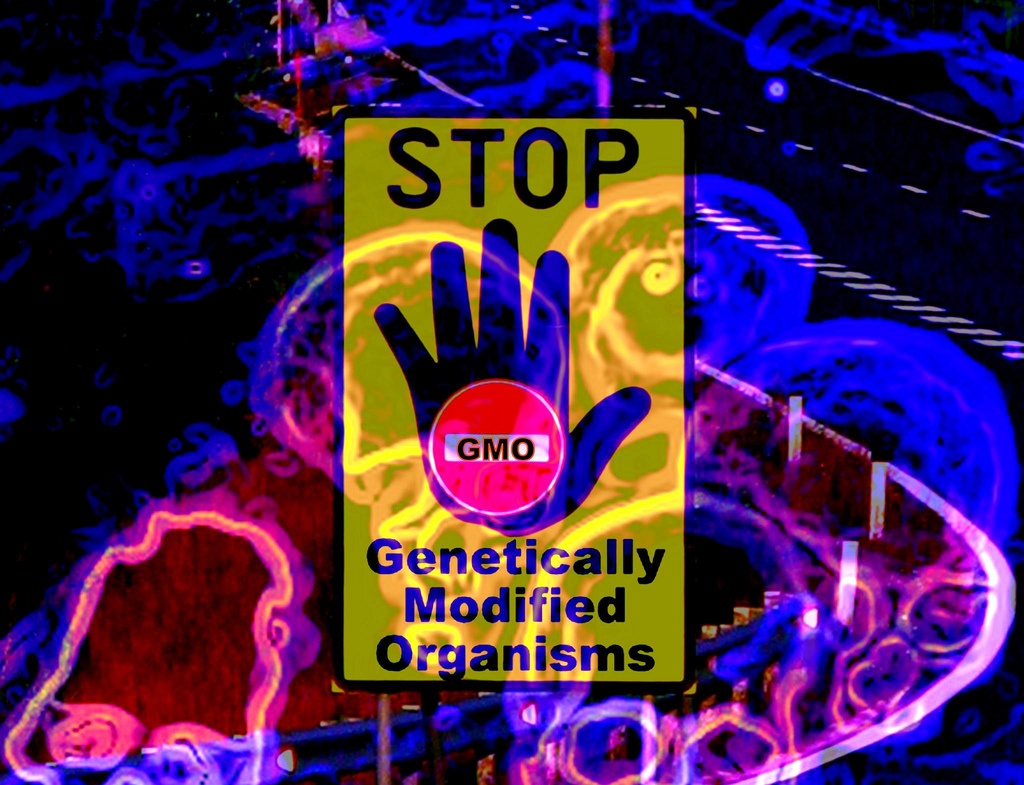
Genetically modified organisms (GMOs) in foods and crops, often called Frankenstein foods or Frankenfoods, have become pervasive in the worldwide foodstream.

These pseudo foods are made from crops that are genetically altered to create a new organism with a so-called desirable trait such as insect resistance or desired nutrients.

Unnatural cross species breeding

Genetically modified (GM) technology allows selected individual genes to be transferred from one organism to another, often between non-related species. For example, insect resistant crops were created by inserting the toxin production gene from the Bacillius thuringiensis bacteria into the genetic structure of a plant such as corn or soybeans.

Prevalence of GMOs

In the latter part of the 1990s, GMOs suddenly appeared in 2/3 of all U.S. processed foods. The sudden proliferation of the potentially dangerous organisms (more about that later) came about from a Supreme Court ruling that permitted patents of life forms.

Between 1997 and 1999, one-quarter of all U.S. farmland was converted to raising GM foods. Currently, GM crops are grown on more than 250 million acres of farmland worldwide.

Unless you are a fanatic food purist, you’ve undoubtedly ingested GMOs, whether it’s in soy sauce at your favorite Chinese restaurant, popcorn at your local movie theater or indulged in an occasional candy bar.

While the labels on those foods will tell you the exactly calorie count amount of carbs, protein, sugars, sodium and all, it doesn’t give you one vital piece of information: that the product was made with Franken foods. You have no way of knowing and Big Agriculture wants to keep it that way.

Frankenfood lobby is huge

The rapid expansion of the Frankenfood in the U.S. industry is largely due to the enormous political influence of a handful of agribusiness giants like Monsanto.

The agribusiness industry initially argued that GM crops would require fewer toxic chemicals to produce, so they’d be good for the environment. Apparently Congress and Supreme Court have bought that story hook, line and sinker.

European countries are much more cautious. GM corn (the most common genetically modified crop) has been banned in six European Union countries.

Dangers of GMOs

So why should we be concerned?

In terms of the growing process:

1. GM crops were a very temporary fix that has engendered the emergence of “superweeds,” especially among canola or rapeseed crops, which require more herbicides to control and in more lethal dosage levels.
2. There are terminator plants and suicide seeds that do not produce a second generation, so farmers must purchase new seed every year.
3. Flowerless and fruitless “terminator trees” are designed to exude poisons from every leaf, killing most insects.

Wonder why these are called Frankenfoods? Read on.

1. Huge agribusiness conglomerates are buying up seed producing companies at a high rate. Now 55% of the planet’s commercial seeds are in the hands of just 10 seed-growing companies, many of them controlled by the very companies that are the biggest proponents of GM foods. How long will it be before it is impossible to buy seeds for your home garden that have not been genetically modified? The day may not be far off when there is no food that has not been genetically altered. Some conspiracy theorists surmise this has been the intention of mega-agribusiness from the beginning.
2. Information about health hazards of GM foods is scarce.
3. They may wipe out protected plant and insect species, causing ecological imbalances that are potentially disastrous.

What GM foods might mean in terms of human health:

1. The biggest problem is that we do not know what effect these organisms could have on human health. Follow-up on animal studies that suggest some dire effects have not been pursued by regulators.
2. Proteins created by inserted genes in these plants are not recognized by mammalian organisms and can cause severe allergic reactions. These are made all the more serious because those who may be sensitive are unaware that they are consuming GM foods.
3. We can only surmise how the results of animal studies might translate to humans, including a five-fold increase in mortality, lower birth weight, inability to reproduce and altered DNA that may increase cancer risks.
4. Additional animal studies have daunting results: GM peas caused lung damage in mice. GM potatoes causes cancer in rats. Bacteria in your gut can assimilate DNA from GM foods that your body cannot recognize and to which the human body may have unpredictable reactions.

What can you do?

The most powerful tool of consumers is to vote with out pocketbooks. By refusing to buy GM foods, food manufacturers will be forced to listen.

Alternate health advocate Dr. Joseph Mercola offers a way of determining if produce comes form GM plants.

He says, ”Examine produce stickers on the fruits and vegetables you buy. The PLU code for conventionally grown fruit consists of four numbers; organically grown fruit has five numbers prefaced by the number “9” and GM fruit have five numbers prefaced by the number “8.”

He adds, “Keep in mind, too, that soy, corn, cottonseed (used in animal feeds) and canola are four of the crops most likely to be GM, and these are also ingredients commonly added to virtually every processed food. So if you eat processed foods be sure to buy only organic variety or ideally, cut them largely out of your diet.”

You can also educate others by making noise and lots of it. Contact your legislators, demand regulation or, better yet, elimination of all GM foods. Write letters to the editor. Produce flyers for your local supermarkets and health food stores.

You can make a difference.

Share

May 11, 2009

by Kathleen Barnes

We all love our cotton T-shirts, shirts, pants, underwear, towels and sheets. They feel comfy and safe.

The cotton industry fosters that illusion with its “fabric of our lives” campaign, pushing the notion that this “natural “ fiber is healthy and creates happiness.

Nothing could be further from the truth.

Cotton is the most intensive pesticide-use crop in the world, accounting for approximately 25% of all insecticides used worldwide, although cotton is grown on only 3% of the world’s farmland.

Five of the top nine pesticides used on cotton in the U.S (cyanide, dicofol, naled, propargite and triflurin) are known cancer-causing chemicals. All nine of the top pesticides used on cotton crops in the U.S. are classified by the EPA as Category I or II, the most dangerous categories of chemicals.

Cotton weevils are resistant to pesticides

The reason for the intensive pesticide use on cotton is that weevils and other cotton pests develop immunity to these chemicals very quickly, in about five or six years. It takes 8 to 10 years and approximately $100 million to develop new pesticides for use on cotton, so the new chemicals are ever more toxic and quickly become obsolete.

The cotton toxic waste is everywhere

In California, it has become illegal to feed the leaves, stems, and short fibers of cotton known as ‘gin trash’ to livestock, because of the concentrated levels of pesticide residue. Instead, this gin trash is used to make furniture, mattresses, tampons, swabs, and cotton balls. The average American woman will use 11,000 tampons or sanitary pads during her lifetime.

According to the Organic Consumers Association (http://www.organicconsumers.org/clothes/224subsidies.cfm), about 80% of all the cottonseed and almost all the gin trash go right into feed for dairy cows and into our milk. The other 20% of the cottonseed is made into oil, meal and cake and winds up in many different junk foods.

Toxic substances are absorbed by skin

Cotton clothing places some of these pesticides right on your skin, which is the largest and most absorbent organ of your body. Not only is your skin in contact with that T-shirt, underwear or pants for most of the day, if you’re sweating, the increased body heat can accelerate absorption of the pesticide residues in the fabric.

The problems with clothing production don’t stop in the field. During the conversion of conventional cotton into clothing, numerous toxic chemicals are added at each stage— silicone waxes, harsh petroleum scours, softeners, heavy metals, flame and soil retardants, ammonia, and formaldehyde— to name just a few.

Other toxic clothing

Other common types of clothing aren’t much better. Clothing made from synthetic fibers like acrylic, nylon and polyester is coated with formaldehyde finishes that continuously give off minute plastic vapors as the fabric is warmed against your skin, causing allergies and breathing problems from the airborne particles and unknown effects of formaldehyde in contact with large skin surfaces

It’s really no surprise that a recent study of the cord blood of 71% of newborn babies shows extensive exposure to toxic substances passed to the baby through the placenta, including some of those used in cotton production. Worse yet, the majority of these toxic substances are carcinogenic, 75% are toxic to the brain or nervous system and 72% cause birth defects or abnormal developments.

Healthy clothing

Clothing that is made from 100% organic cotton, silk, linen, hemp, or tencel (made from natural cellulose found in wood pulp) will be free of these toxic residues.

If al new clothing isn’t in your budget, you can also buy used clothing, which may outgas less and the continued washing may have removed some of the residues.

If none of these works for you, wash any new clothing several times before you wear it.

Resources:

http://www.ecochoices.com/1/cotton_statistics.html

http://www.organicconsumers.org/clothes/224subsidies.cfm

http://www.ewg.org/reports/bodyburden2/execsumm.php

Share

May 6, 2009

By Dr. Hyla Cass and Kathleen Barnes
authors of
8 Weeks to Vibrant Health: A Take Charge Plan for Women
(Take Charge Books, 2008)

Depression, anxiety, panic, obsessions, addiction and memory loss are problems faced by an increasing number of people.

Friends, family and sadly, even doctors, often tell you that self-discipline, “getting over it,” or long-term psychotherapy are the ways to kick these mind-states. They will also likely urge you to join the millions who are taking prescription drugs to “fix” things.

As a psychiatrist, Dr. Cass has treated hundreds of patients with these disorders, and has found that you can change your life, by yourself (or with the help of a good health practitioner), by learning and acting on this information:
• The underlying case is almost always a deficiency in certain nutrients that nourish the brain and promote proper function.
• You can often correct these imbalances naturally.

Just reading these two facts may have relieved some of your anxiety. You’re not crazy, neurotic or hopelessly psychologically damaged.

Rather, you may simply be deficient in some of the major
neurotransmitters we all need for balanced brain function.

The major chemical messengers in the brain

There are hundreds of neurotransmitters, but here are some of the main players:
• Serotonin is the “happy” and calming brain chemical that can improve your mood and help you to sleep well.
• Dopamine and noradrenaline are the “feel-good” neurotransmitters, helping you feel energized, focused, motivated, and in control.
• GABA (gamma-aminobutyric acid) is the “cool” neurotransmitter, calming you down during periods of stress.
• Adrenaline, made in the adrenal glands, is the “motivator,” stimulating you and helping you respond to stress.
• Endorphins promote that blissful feeling, a sense of euphoria often found in runners’ high, or even, paradoxically, in emergencies and after an injury.
• Acetylcholine enhances memory, cognition, alertness, and concentration.
• Melatonin (actually, a hormone) affects your ability to sleep soundly and to dream. It helps you to keep in tune with the cycles of nature by responding to seasonal shifts and regulating your inner clock for day and night, known as your circadian rhythm.

When your neurotransmitters are out of balance, you may feel depressed, anxious, stressed, and unmotivated. You may be unable to fall asleep or stay asleep.

Here are the basics for balancing your brain chemicals:

1. Eliminate processed foods and simple sugars.
2. Eat high quality complex carbohydrates (whole grains and fruits and vegetables) to keep your blood sugar balanced; a source of good protein like fish, fowl, or meat, to provide amino acids to make neurotransmitters; and essential fats, like the ones in cold water fish (salmon, mackerel), called “brain food” for good reason (both fat and protein)
3. Have a regular exercise program.

Address Depression Naturally

People who are depressed are usually deficient in mood-stabilizing serotonin, noradrenaline or dopamine, brain chemicals derived from the amino acids tryptophan and tyrosine.

To make serotonin, your brain needs the essential amino acid, tryptophan, which is found in protein-rich foods like turkey, chicken, cottage cheese, avocados, bananas and wheat germ. Eating more of these foods can certainly help, especially with a small amount of carbohydrate that helps transport this amino acid into the brain. This is one reason why you might crave sugary foods in the evening, when you’re low in serotonin. Taking a 5-hydroxyryptopan (5-HTP) or tryptophan supplement can help your brain manufacture more serotonin.

Tyrosine and phenylalanine will help produce dopamine and noradrenaline, the focusing and motivating brain chemicals, and are found in Dr. Cass’ FOCUS formula.

To help your brain make more of the anxiety-relieving neurotransmitter, GABA, take glutamine, theanine, or taurine. Dr. Cass’ CALM Natural Mind product contains these amino acids, along with necessary co-factors. For sleep, added valerian helps (as in Dr. Cass’ Nightly CALM), or maybe some 5- HTP or melatonin.

Other supplements that may help relieve depression and anxiety include St. John’s wort, SAM-e (s-adenylmethionine), and the adaptogen, rhodiola.

Depression and anxiety can also be caused by a wide variety of disease conditions and imbalances, including anemia, blood sugar imbalance, adrenal fatigue, sex hormone imbalances, and hypothyroidism.

Keeping memory sharp and focused naturally

Fuzzy thinking, difficulty concentrating, a slow mind or faulty recollection of recent events tend to occur with age. Such mental decline can be due to diseases of the blood vessels (vascular disease or hypertension), sex hormone imbalances, or excessive exposure to toxins, such as pesticides or heavy metals. These issues need to be addressed on an individual basis, and includes specific lab testing.

It is important to manage your stress since prolonged exposure to the stress hormone, cortisol, can actually cause brain cells in the memory center, or hippocampus, to shrivel and die.

Supplements can address memory loss and lack of mental clarity by providing the natural materials needed to enhance neurotransmitter production and activity, as well as blood flow to brain cells.

These include acetyl-L-carnitine, phosphatidyl serine, phosphatidyl choline, ginkgo biloba, DMAE (dimethylaminoethanol), omega 3 fatty acids, and vinpocetine. The first four of these can be found in Dr. Cass’ Brain Balance formula.

For all-round neurotransmitter support, as well as antioxidants to help fight toxic free radicals, Dr. Cass developed Brain Recovery AM & PM packets.

All the supplements can be found on her website: http://www.cassmd.com.

For specifics on dosage and use of all supplements mentioned, please see our book, 8 Weeks to Vibrant Health: A Take Charge Plan for Women

Share